Western Zhou Dynasty
西周
- 分类: 历史脉络
- ID: 1872266638530473984
Home CategoryHistoryWestern Zhou DynastyPlay4 minsThe Western Zhou Dynasty (c.11th century-771 BC) marked a crucial epoch in ancient China, advancing social structures, culture, arts, and contributing significantly to Chinese civilization's development.ShareCatalogue1. Western Zhou Dynasty (c.11th century-771 BC) 2. Archaeological Discoveries3. Bronze Artifacts4. Cultural and Military Aspects5. Legacy and Influence
Western Zhou Dynasty (c.11th century-771 BC)
The Western Zhou Dynasty, which lasted from approximately the 11th century to 771 BC, represents a significant period in ancient Chinese history. This era is noted for its advancements in social structures, culture, and the arts, as well as its contributions to the development of Chinese civilization.
The Western Zhou Dynasty followed the Shang Dynasty (c.16th century-11th century BC) and was succeeded by the Eastern Zhou Dynasty (770-256 BC). It played a crucial role in shaping Chinese history by establishing a feudal system that influenced the social and political structures for centuries. This period marked a time of relative stability and prosperity, leading to cultural and technological advancements.
Archaeological Discoveries
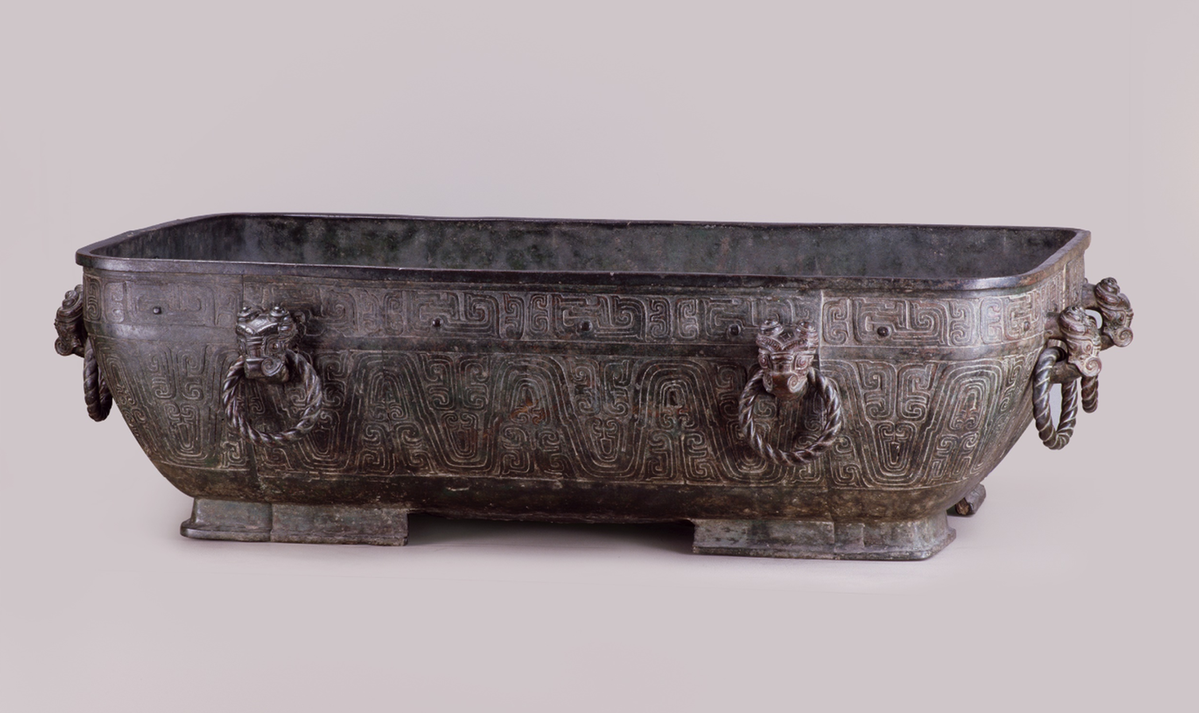
Numerous archaeological findings have provided insight into the Western Zhou Dynasty's culture and society. These discoveries include the "Guo Ji Zibai" bronze pan unearthed in Baoji, Shaanxi province, which dates back to this era. This artifact, a large square water container adorned with diverse patterns, bears a 111-character inscription detailing its origins and the owner's military accomplishments.
Another significant find is the Xitou site in Xunyi county, identified as the largest site from the Shang and Zhou dynasties in the Jinghe River basin. The site includes relics of copper smelting, grain storage, and large tombs, offering valuable information about the dynasty's social changes and settlement functions.
Bronze Artifacts
Bronze artifacts from the Western Zhou Dynasty exemplify the artistry and technological advancements of the time. Notable pieces include exquisitely decorated wine vessels, such as the rabbit-shaped bronze zun from the tomb of the Marquis of the Jin State, and the enigmatic creature-shaped bronze zun unearthed in Chang’an county, Shaanxi province.
The "Xi Jia pan," a bronze plate with a record-breaking auction value, is another prominent example. It is inscribed with 133 characters detailing the dynasty's history, contributing to the study of this period. The plate's owner, Xi Jia, was a high-ranking official known for his association with The Book of Songs, an important Chinese literary collection.
Cultural and Military Aspects
The Western Zhou Dynasty is also known for its military innovations and cultural developments. The domestication of horses played a vital role in warfare, and the construction of comprehensive defense systems around cities is documented. These systems included city walls and strategic gates fortified with military forces.
Additionally, the dynasty's artistry extended to ceremonial objects, such as the horse-shaped bronze zun vessel and other intricate bronzeware designed for rituals and daily use. The discovery of chariot components and harnesses, including a bronze-cog carriage, highlights the technological sophistication and ceremonial importance of these items.
Legacy and Influence
The Western Zhou Dynasty's legacy is evident in its contributions to Chinese governance, culture, and technology. Its feudal system laid the groundwork for subsequent dynasties, and its art and artifacts continue to be celebrated for their craftsmanship and historical significance.
Exhibitions and research on Western Zhou artifacts, like those held at the National Museum of China and the Shanghai Museum, provide contemporary audiences with insights into this period's rich cultural heritage. The dynasty's influence persists in modern studies of ancient Chinese civilization, offering a glimpse into the origins of enduring cultural practices and societal structures. Article reference1. Western Zhou Dynasty (c.11th century-771 BC). chinadaily.com.cn. 20242. Bronze artifacts from Zhenjiang on display in Guangdong. chinaservicesinfo.com. 20243. Exquisite jade artifacts on display at Shanxi Museum. chinadaily.com.cn. 20234. Western Zhou Dynasty bronze zun in the shape of a rabbit. chinaservicesinfo.com. 20235. Exhibition sheds light on culture of ancient state. chinaservicesinfo.com. 2021ExpandPhoto Gallery(20 pictures)CategoriesHistoryTagAncient Chinese HistoryRelatedAncient City of PingyaoSuizhou MuseumLyushun MuseumBook of SongsCatalogue1. Western Zhou Dynasty (c.11th century-771 BC) 2. Archaeological Discoveries3. Bronze Artifacts4. Cultural and Military Aspects5. Legacy and Influence- - - []








